DU’s C-Store is Eating our Wallets
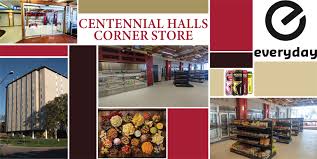
Prepare yourself for sticker shock every time you set foot into one of the corner stores (C-stores) at the University of Denver.
Craving a quick snack—a granola bar, a pack of ramen, a muffin, or a bottle of Gatorade? Brace yourself: that simple snack comes with an unjustifiably hefty price tag. DU’s C-store prices soar significantly higher than local grocery stores or even off-campus convenience stores, leaving students feeling short-changed.
This isn’t just a trivial annoyance; it’s a glaring financial burden. Students are forced into spending $330 each quarter as part of their meal plan tuition—yet these inflated prices quickly drain this money without providing fair value. Imagine buying just one muffin daily at $4.24 a pop after taxes; you'd exhaust your entire meal plan cash well before the quarter ends.
The bottom line? DU needs to slash these sky-high C-store prices. Making on-campus shopping affordable not only supports students financially but encourages frequent shopping, benefiting both students and the university alike.
It’s no secret most college students operate on razor-thin budgets. The Education Data Initiative highlights this harsh reality, noting, "Even with stringent budgeting, the average college student spends over $4,000 per year on necessary personal expenses." Crunching the numbers reveals that over four years, DU students receive just $3,960 in meal plan cash—not even enough for a daily muffin! (Source: Education Data Initiative)
Why are students forced to spend this extra $330 every quarter only to get minimal return?
DU might argue convenience or overhead costs justify these exorbitant prices, but that doesn't account for the staggering markups on every single item. These prices clearly surpass reasonable margins and simply aren’t fair to students.
Why hasn’t DU partnered with local grocery stores or suppliers? Instead, they're stuck with a corporate system that exploits both students and workers.
Take a lesson from Colorado State University—they've partnered with local grocery suppliers to keep their campus store prices competitive. This approach not only helps students stretch their dollars but allows the university to maintain a sustainable pricing structure—a true win-win. (Source: CSU Bookstore)
DU’s C-stores could be a fantastic resource, especially for those relying on meal plans. However, the current inflated pricing renders students' meal plan cash virtually worthless.
As things stand, your $330 disappears alarmingly fast, drained by items priced nearly double what you'd pay at an average grocery store. DU’s questionable profit-driven approach robs students of the convenience, affordability, and peace of mind that campus stores should provide.
It’s time DU put students first by slashing C-store prices and making on-campus living affordable again.
DU claims to foster a supportive academic environment—but charging students six dollars for lemonade doesn't exactly scream "supportive." Let's face it: students deserve transparency on vendor pricing to understand why they're being gouged at the C-store.
Better yet, let's cut out Sodexo altogether. Handing control of the store to students or staff who can restock shelves would eliminate unnecessary overhead. By negotiating smarter supplier contracts, DU can easily lower prices without touching its profits. It’s time DU put student needs ahead of easy corporate contracts. Affordable prices aren’t just fair—they're essential.